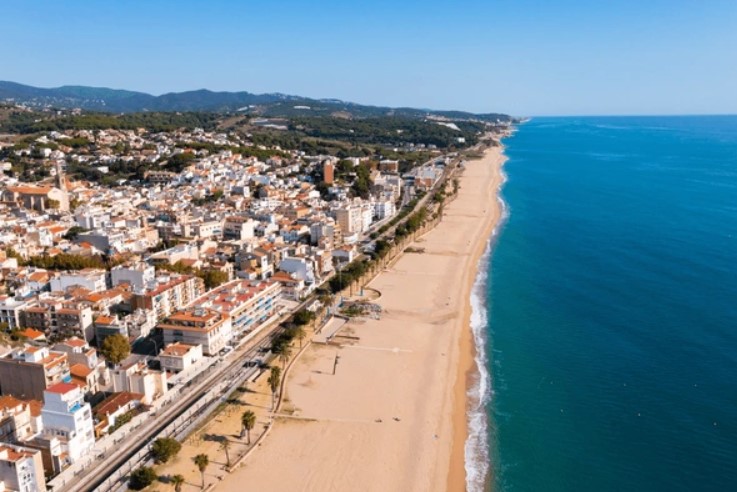
Finally, the Spanish Government has given the green light to the agreement with the Generalitat that will make possible the investment of 384 million euros for the so-called “pacification” of the N-2 State Road and the transfer of traffic to the C-32 Highway.
The project began to take shape 16 years ago, with the transfer of the N-2 highway to the Catalan government and the Spanish government’s commitment to contribute to its financing. However, for various reasons, the plan was shelved for years. Until now, that is, because through an agreement between the two administrations in the Infrastructure Investment Commission (February 2025), the government has activated the mechanism that will allow the agreement to be formalized and the financing to move forward.
The €384 million will be delivered over 8 years as follows:
-
- €5 million in 2025
- €24 million in 2026
- €70 million in 2027, 2028, 2029 and 2030
- €60 million in 2031
- €15 million in 2032
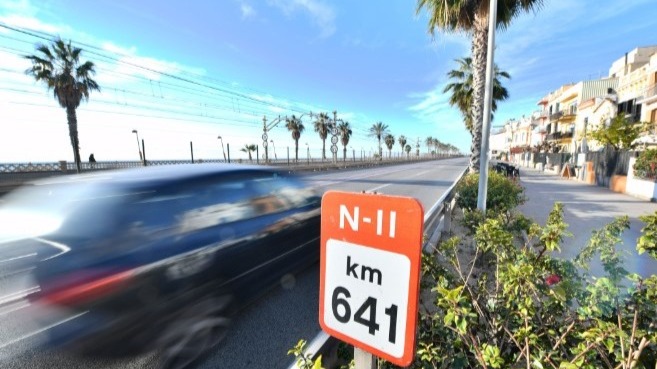
This agreement aims to transform the N-2 as it passes through the Maresme region (between Montgat and Tordera) into a road with less traffic intensity, thus achieving its integration into the various urban centers, through the reduction of vehicle traffic (about 10,000 vehicles per day) and the creation of new spaces for pedestrians and bicycles, among other measures.
The Catalan government’s Department of Territory is also working on creating new access points to the C-32 highway from several municipalities in the Maresme region. This project is expected to require an investment of around €120 million, with the aim of increasing traffic on the C-32 and facilitating the conversion of the N-2 highway.
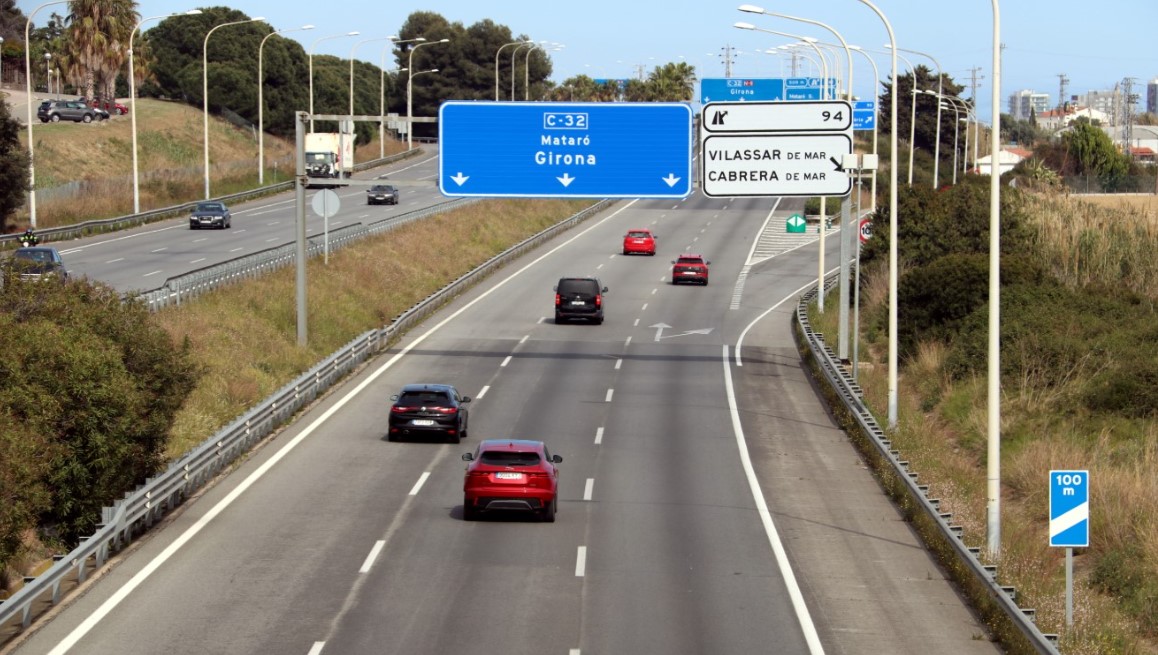
This latter point has been the subject of protests in certain towns in the Maresme and among some environmental groups, to the point that the Catalan government has announced that the planned work in Canet de Mar will not be carried out, in response to pressure against its implementation.