
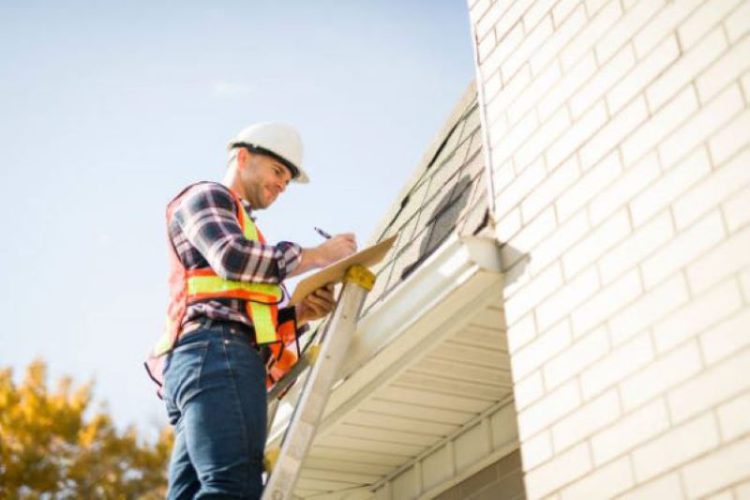
The Technical Building Inspection (ITE) is a technical examination of various elements of a building that affect its safety and the safety of its occupants. It is regulated by Royal Decree-Law 8/2011 of July 1st and by various municipal ordinances.
In general, the ITE is mandatory in Spain for all buildings older than 50 years, and will be valid for 10 years, at which point a new inspection must be carried out (although the specific regulation of the ITE depends on each City Council, so each municipality may have regulations that vary slightly).
The obligation to carry out the ITE corresponds to the owner of the property, who must hire an independent technician or approved technical inspection entity, to prepare a report that determines its state of conservation, as well as whether it is necessary to carry out rehabilitation works.
The main elements of a property subject to examination are:
-
- Foundation and structure
- Facades and party walls
- Watertightness and coverings
- Water, electricity and gas installations
- Other elements that affect safety, health and public appearance
If the inspection has not been carried out after the deadline for submitting the technical report, the competent body will order the inspection to be carried out, granting an additional period for its submission, with a warning of the imposition of coercive fines from €1,000 to €6,000 in case of non-compliance, in addition to the subsidiary execution of the technical inspection at the expense of the obligated party and the initiation of the corresponding sanctioning procedure.
A) FAVORABLE OPINION
If the building is found to be in optimal condition, the ITE result will be favorable, and the owner will not be required to carry out any necessary renovations. The favorable inspection report must be submitted to the City Hall.
B) UNFAVORABLE OPINION
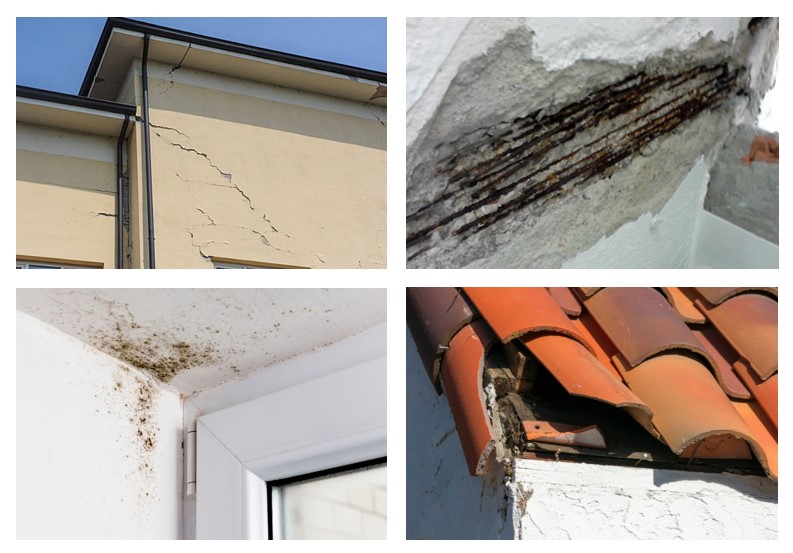
If any of the elements analyzed are found to be affected during the inspection, the technician must include the following in their report:
1. Identification and description of deficiencies affecting the structure and foundation, facades, roofs and terraces, general plumbing and sanitation networks and accessibility elements of the building
2. Description of their causes
3. Description of security measures adopted to ensure the safety of the building until its proper repair
4. Description of works deemed necessary to remedy the deficiencies found and their estimated duration
5. Degree of implementation and effectiveness of those measures adopted to correct deficiencies that may have been found in previous technical inspections of the building, if any
After submitting the unfavorable report to the City Council, the property owner must apply for the corresponding municipal building permit to carry out the corrective work:
-
- If the license application does not require a technical project, once the works are completed a certificate of suitability signed by a competent technician will be issued, indicating that all deficiencies have been corrected
-
- If the works to be undertaken require a technical project, the final work certificate must be submitted, signed by a competent technician and endorsed by their corresponding professional association
In certain cases, it is possible to obtain public subsidies for carrying out the corrective works, which usually reach between 10% and 30% of the total cost.