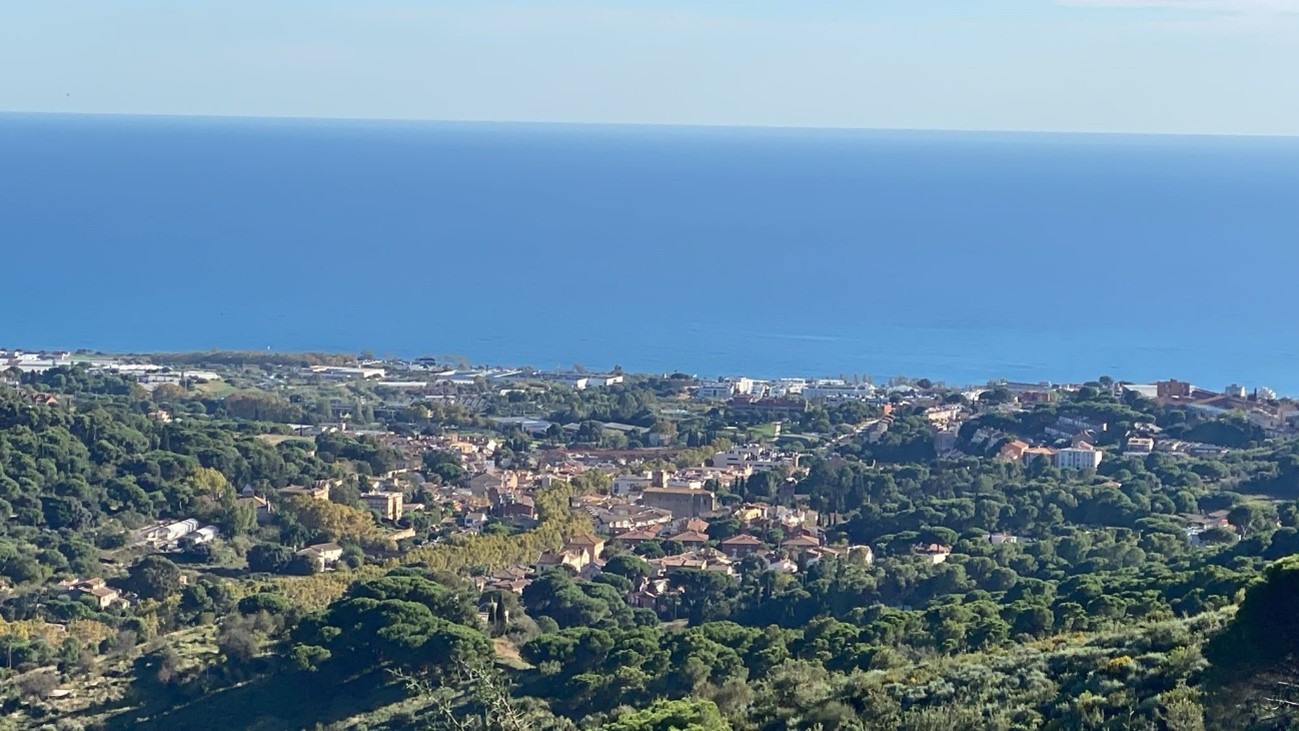
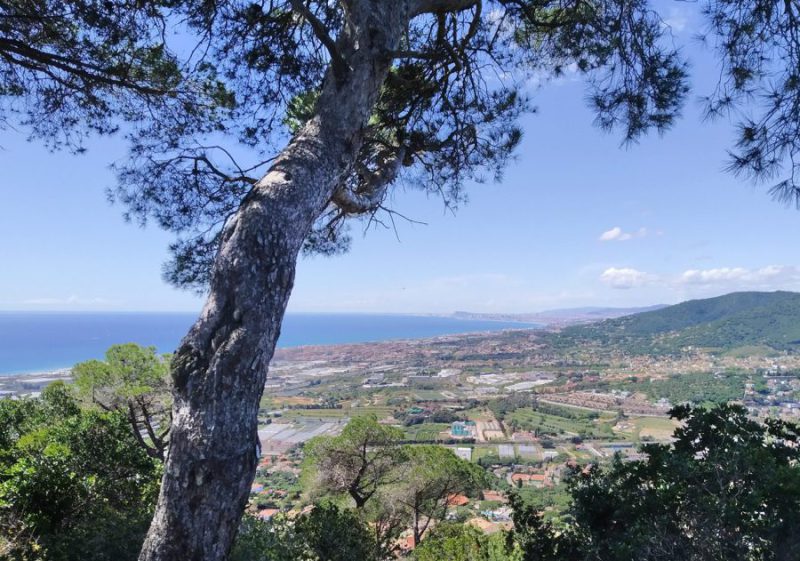
Living in the Maresme region means gaining quality of life without giving up anything important, as it offers that balance that is hard to find: living calmly, close to the sea, but with all the opportunities of a big city like Barcelona within reach.
The villages of the Maresme still maintain that close-knit atmosphere where it’s easy to meet people, experience village life, and feel part of a community. And if you love nature, you can go from the coast to the mountains in just a few minutes. Furthermore, having Barcelona so close makes it easy to commute for work, study, or to enjoy its cultural offerings. For all these reasons, it’s no wonder that many people want to move there.
In the current context, the Maresme real estate market presents a fairly clear combination of sustained growth, demand pressure, and territorial segmentation. Below, we will analyze the critical points:
1. Price
The average price of a home in the Maresme region is approximately between €2,700 and €3,000/m², with significant variations depending on the municipality. Generally speaking, over the last 12 months, house prices have increased by 6.1%, while apartment prices have risen by 5.6%. And if we consider the last 5 years (post-pandemic), the cumulative increase reaches 32% for houses and 25% for apartments. Therefore, we are currently in a phase of a clear upward trend.

2. Territorial differences
The Maresme region comprises 30 municipalities, each with its own distinct characteristics. Consequently, the Maresme real estate market is not homogeneous, as multiple factors influence it, such as distance from Barcelona and the quality of its beaches.
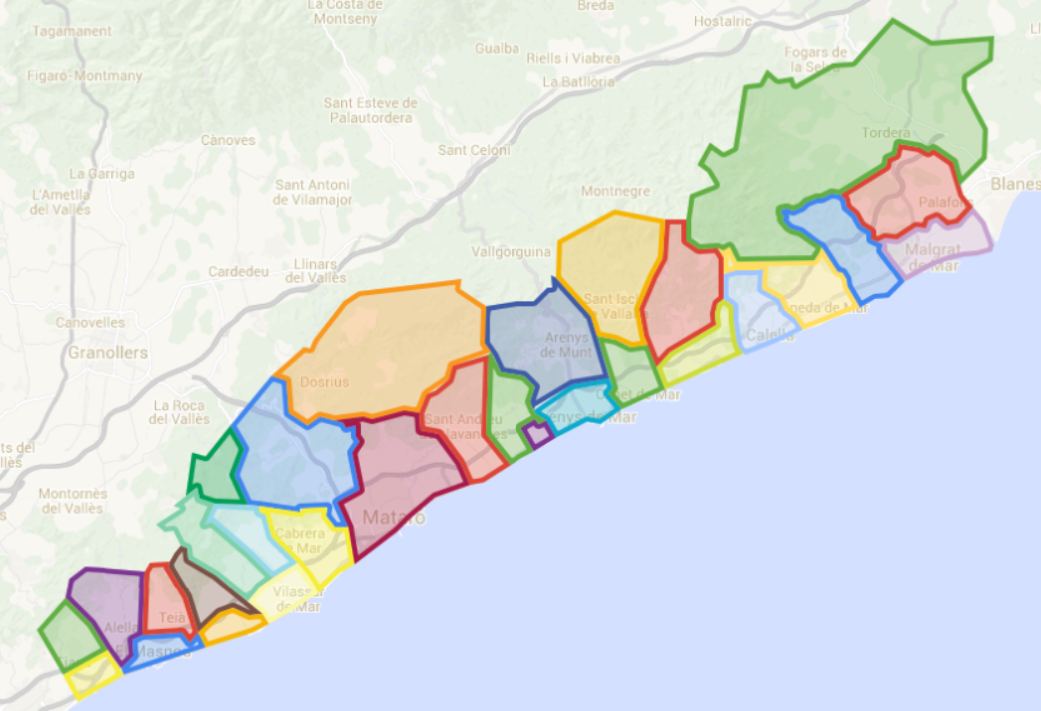
Broadly speaking, we could define 3 main areas:
-
- SOUTHERN ZONE:
This area includes municipalities such as Montgat, Tiana, El Masnou, Alella, Teià, and Premià, and is characterized by high demand due to its proximity to Barcelona (you can be in the heart of the Catalan capital in approximately 20 minutes). Therefore, prices tend to be higher, and the rental market is particularly tense due to the “displacement effect” of many people who previously would have found accommodation in Barcelona but now have no choice but to look for alternatives in areas bordering the Catalan capital.
-
- CENTRAL ZONE:
Municipalities such as Cabrils, Cabrera de Mar, Vilassar, Argentona, and Mataró (the regional capital) are included, as well as, though located slightly further north, Sant Andreu de Llavaneres, Sant Vicenç de Montalt, Caldes d’Estrac, and even Arenys. This is a more balanced, broad, and diversified market, encompassing clients seeking year-round residences, those looking to acquire a second home by the sea, and even purely investor-focused individuals (for example, those looking to convert the property into tourist rentals).
-
- NORTHERN ZONE:
This final stretch of the Maresme region includes towns such as Canet de Mar, Sant Pol de Mar, Calella, Pineda de Mar, Malgrat de Mar, Santa Susanna, and Tordera, among others. It is an area with a greater supply of available housing and more affordable prices.
Therefore, it can be said that housing prices are generally inversely proportional to the distance from Barcelona. However, this statement is not absolute, since municipalities like Sant Andreu de Llavaneres or Sant Vicenç de Montalt are premium areas, not because they are the closest to the city, but because of their inherent beauty.

3. Rise of the premium segment
The rise of the premium segment in the Maresme region is not a passing trend: it reflects a structural shift in demand, the buyer profile, and the region’s strategic location within the Barcelona-Mediterranean axis. Many homes in premium areas like Alella, Teià, and Sant Andreu de Llavaneres reach €4,000/m², and exclusive properties can command prices up to €10,000/m². A key driver of this growth is the demand from international buyers, who generally possess high purchasing power.
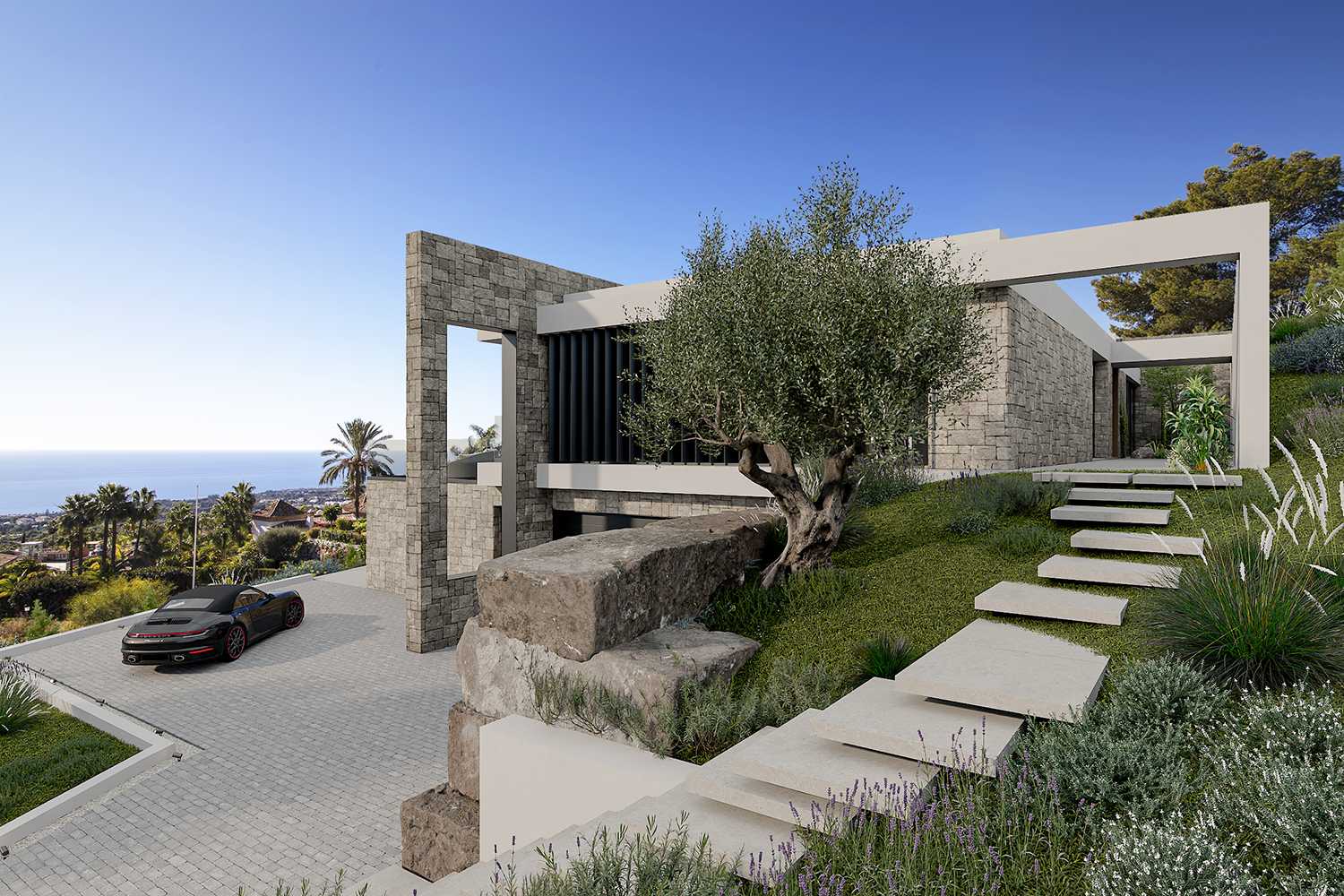
In this sense, the Maresme region has ceased to be seen not as a residential alternative to Barcelona, but rather as a market that competes head-to-head with the city, offering luxury with high appeal.
4. Changes in demand
In recent years, demand has changed significantly in the housing market. One of the key moments was the COVID-19 pandemic, after which many households began to prioritize living with more space and a higher quality of life, at the expense of living in the heart of the city and being constantly connected. Furthermore, the rise of remote work has also had an impact (although there are indicators that it is not yet fully implemented, and many company employees and freelancers continue to commute daily).

On the other hand, the influx of international clients was already a reality before the pandemic, but in the current (and turbulent) geopolitical climate, Spain is emerging as a “refuge country“, being a member state of the European Union with a solid democratic system that guarantees rights and freedoms, not to mention its favorable climate and attractive lifestyle. And the icing on the cake: it is a country where the cost of living is generally very affordable for foreigners from higher-income countries, both in Europe and beyond, factors that make it an enticing prospect for foreign investors. In this sense, it is no coincidence that the number of international schools in the Maresme region has been increasing in recent years.
5. A structural problem
Finally, it is important to pay attention to certain signs that indicate the housing problem in the Maresme region is structural, not merely cyclical. In other words, it is not simply a response to a specific economic cycle (although that certainly plays a role), but rather to persistent imbalances in supply, demand, and regulation.
Broadly speaking, these are the four concepts that underlie much of the problem:
1) SUPPLY DEFICIT:
There is a chronic and structural shortage of available housing, especially for rent. Demand is very high, while supply is rigid and growing slowly due to limited construction and a scarce amount of land. As a result, the Maresme market is highly strained, dominated by mid-to-high-end and high-end properties, with prices exceeding the purchasing power of most households, particularly young people who are finding it increasingly difficult to move out on their own.
2) EMPTY HOUSES:
A typical feature of the Maresme region is the disconnect between total stock and effective supply: around 10% of the housing stock is empty (more than 22,000 homes), for reasons such as:
-
- Mobility problems (owners who do not rent/sell)
- Perceived risks (delinquency, illegal occupancy, excessive regulation)
- Use of homes as second residences or as financial assets
This indicates that not only is there a lack of housing, but the mechanism for putting them on the market is also failing.
3) GENTRIFICATION AND URBAN PRESSURE:
The Maresme region functions as a residential extension of Barcelona, due to the exodus of residents from the city caused by high prices. Consequently, there is an increase in demand which, in addition to driving up prices, has the side effect of overwhelming the region’s public services.
4) EXCESSIVE INSTITUTIONAL AND URBAN PLANNING RIGIDITY:
Although specific data for the Maresme region isn’t always published, the pattern in similar coastal areas is clear: slow urban planning bureaucracy, caused in part by a lack of local administrative capacity. This exacerbates the problem of supply being unable to meet demand and the resulting increase in costs, which in turn drives up final prices.